Dubai will open thousands of new hotel rooms this year, and nearly all of them will come with marble and a sea view. That is the quiet problem with luxury in this city. Whatever a hotel can buy, the next hotel can buy too.
A reputation is harder to buy. That is why luxury hospitality marketing in Dubai is shifting: the hotels pulling ahead treat their brand as the asset and the room as one of the things it sells. Three trends explain the change.
Dubai's luxury hotel market today: what the numbers show
Dubai's luxury hotel market is crowded and still adding rooms. The city ended 2025 with 154,264 hotel rooms in 827 establishments, according to the Department of Economy and Tourism (DET), and four- and five-star hotels held about 64% of all rooms, according to Cavendish Maxwell. In a market this dense, the brand decides whether a hotel leads on rate or follows on price.
2025 was a record year, according to DET figures published by the Dubai Media Office: Dubai welcomed 19.59 million international overnight visitors, occupancy reached 80.7%, the average daily rate rose 8% to AED 579 and revenue per available room rose 11% to AED 467.
2026 has been harder. Regional disruption from late February cut travel sharply. Occupancy fell to 36% in March, then climbed back to 66% in August, close to 90% of the level a year earlier, according to DET figures reported by Gulf News. Trade coverage of how luxury hotels responded found two camps: hotels that cut prices, and hotels that added value "without touching the room rate".
A newer hotel can always go lower on price, so the hotels with a name people already recognise had another card to play.
Trend one: wellness and experience-led stays
Wellness has moved from the spa menu to the reason for the trip. The UAE's wellness economy was worth USD 40.8 billion in 2024, the fastest growth in the Middle East and North Africa, and wellness tourism alone was worth USD 11.3 billion, growing at an average of 23.5% a year, according to the Global Wellness Institute.
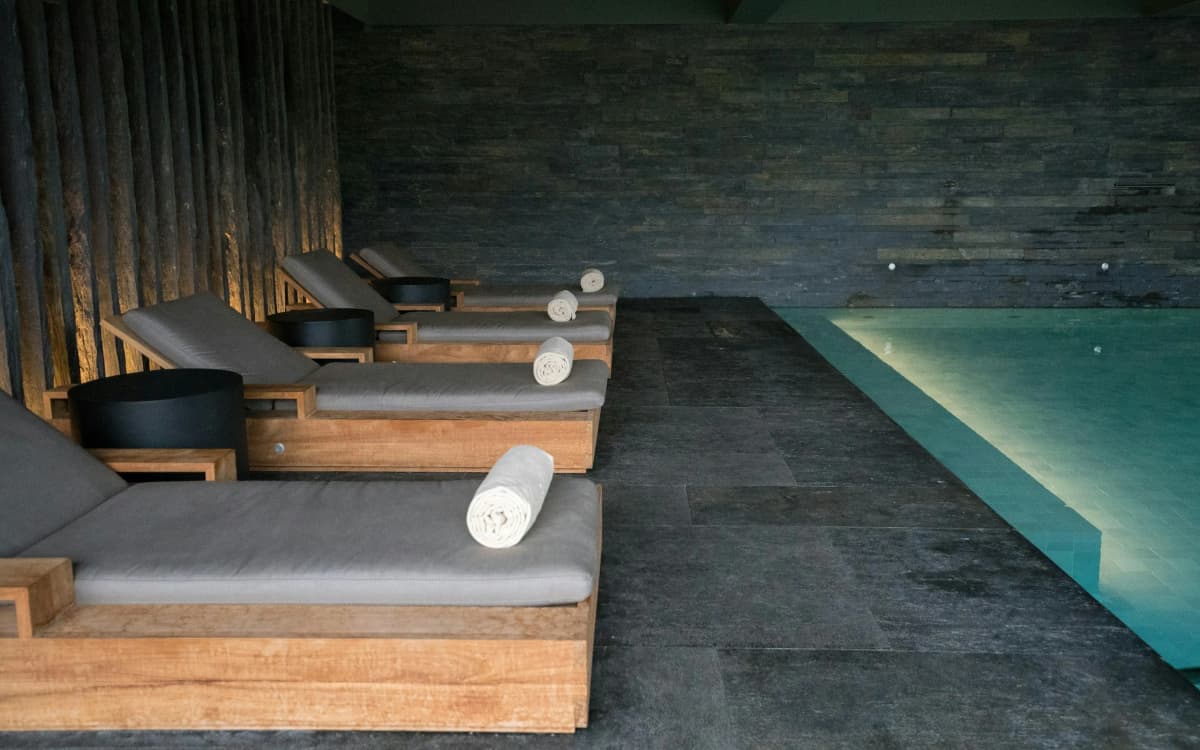
Travellers plan around it. In a Simon-Kucher survey of more than 10,000 travellers in ten markets, including the UAE, four in ten said they were considering a wellness holiday in 2026. New hotels are being designed for that traveller: Six Senses The Palm was announced with 61 suites, 172 branded residences and a 60,000 square foot spa that includes a longevity clinic.
Someone choosing a wellness stay is buying an outcome, such as better sleep or a proper reset, and facilities alone do not prove it. A list of treatments reads like a brochure. Showing the morning ritual, naming the therapist and explaining the method gives people something to believe.
Our view: almost every luxury hotel in Dubai has a spa, but very few have a wellness point of view. The hotel that defines one in its own words, with its own people on camera, will own that idea on its stretch of coast.
Trend two: new openings and branded residences raise the bar
New supply keeps arriving. Before this year's disruption, CoStar projected that Dubai would open 5,053 hotel rooms in 2026, placing it among the top three markets in the world alongside Shanghai and London. Each opening brings a launch budget and a reason for the press to write.
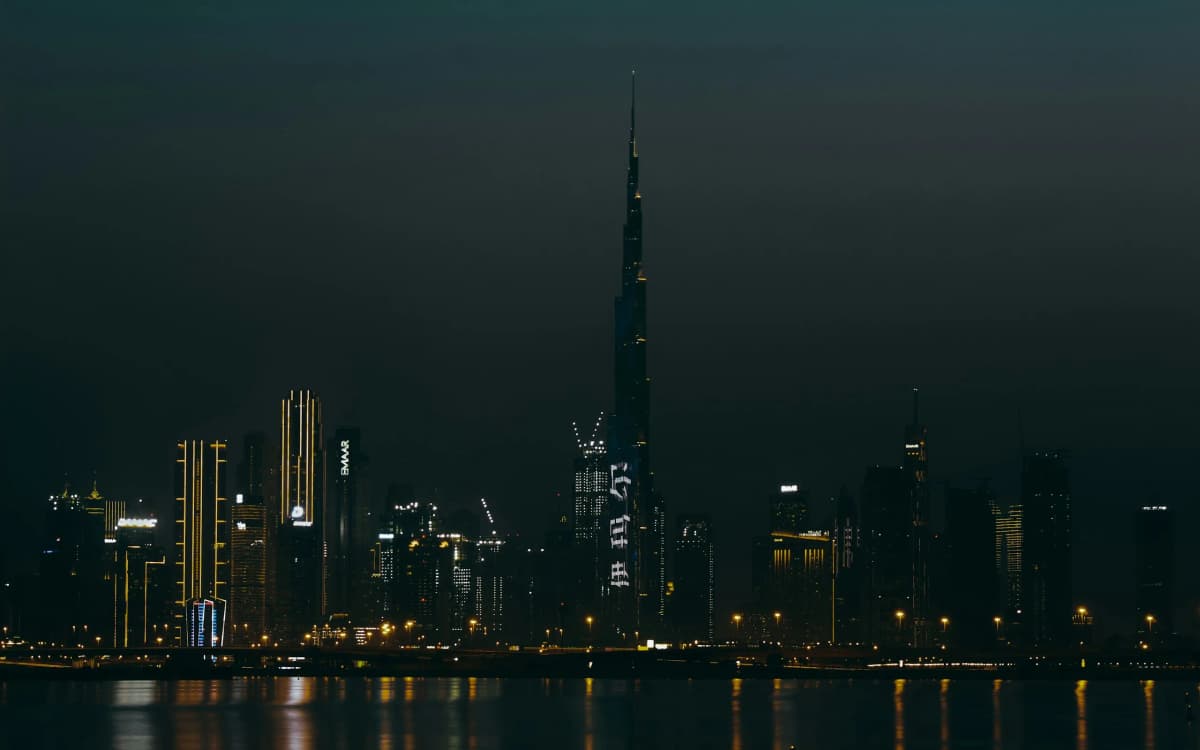
Branded residences add a second layer. Dubai has 175 branded residence schemes, 68 completed and 107 in the pipeline, the largest market in the world, according to Knight Frank's Residence Report 2026-27. The UAE alone accounts for 19% of the global pipeline.
Branded residences turn a hotel name into something people pay a premium to live inside, and every residence sold under that flag ties the brand to a building for decades, so the name has to mean something precise.
For established hotels, the risk is fading into the background while newer names take the headlines. A bigger ad budget rarely fixes that. A sharper answer to one question usually does: what does this hotel have that a brand-new building cannot? A history, a signature ritual, a team guests ask for by name. Most hotels barely use them.
“In a city that never stops opening hotels, the brand is the one part of the building nobody else can copy.”
MAASQ
Trend three: content and creators shape a hotel's reputation
A luxury hotel's reputation is now built in public, one post at a time. In the UAE, 65% of travellers say social media influences where they go, according to Simon-Kucher, and more than 60% of Gen Z and Millennial travellers use AI tools for inspiration and planning. What appears in feeds, and what AI tools repeat back, shapes how a hotel is seen long before anyone opens its website.
A beautifully lit room is now the minimum. The content that travels shows something only that hotel can offer, like first light on one particular terrace or the doorman who has greeted the same regulars for years. That is the case for a proper video shoot planned around the brand, instead of a camera sent to cover the lobby.
Creators are part of this, and the rules changed this year. Since 1 February 2026, anyone in the UAE who posts advertising content, paid or unpaid, needs an Advertiser Permit from the UAE Media Council, and Gulf News reports a fine of AED 10,000 for a first offence. A hotel that hosts creators should check the permit before the stay and brief creators on the brand as carefully as it briefs its own team.
Our view is that a hotel should own its story first and invite creators into it second. Creators make better content for a hotel that gives them something specific to respond to.
What these trends mean for a luxury hotel's marketing strategy
All three trends point the same way. A luxury hotel's marketing strategy in Dubai should build what newer, cheaper or louder competitors cannot copy: a clear point of view, a recognisable visual language, and proof told through the hotel's own people and places.
At MAASQ we use a simple check for this, the Signature Test. Before any campaign, shoot or post goes live, ask whether the hotel next door could publish it unchanged. If it could, it is generic, and generic content teaches people to compare hotels on price.
Trend | What it asks of the hotel | Where to start |
|---|---|---|
Wellness and experience-led stays | A wellness point of view, shown through people and rituals | Name one signature experience and build the season's content around it |
New openings and branded residences | A reason to choose the established name | List the assets a new building cannot have, then show them |
Content and creators | A visual language strong enough to shape what others post | Plan one brand-led video shoot per season and check every creator's permit |
Two more points belong in any plan. Measure what the brand earns, such as rate held against the competitive set and the share of business that comes direct. And start early: content planned in September is what people talk about in December.
Frequently asked questions
What is luxury hospitality marketing?
Luxury hospitality marketing is the work of building and promoting a luxury hotel's brand so it can hold its rate and its reputation. It covers brand strategy, photography and video, social media, partnerships and paid media. In Dubai it centres on what makes one hotel unmistakable in a market where most hotels offer similar facilities.
What are the biggest hospitality trends in Dubai in 2026?
Three trends stand out for luxury hotels in Dubai in 2026: wellness and experience-led stays, a steady flow of new openings and branded residences, and the growing influence of social media, creators and AI tools on reputation. Each one rewards hotels with a clear brand and works against hotels that compete on price alone.
Do influencers need a licence to work with hotels in the UAE?
Yes. From 1 February 2026, anyone who posts advertising content in the UAE, paid or unpaid, needs an Advertiser Permit from the UAE Media Council. Gulf News reports a fine of AED 10,000 for a first offence without one. Hotels should check a creator's permit before any hosted stay or paid collaboration.
Why does Dubai have so many branded residences?
Dubai has 175 branded residence schemes, more than any other city, according to Knight Frank. Buyers pay a premium for the service, design and reputation a hotel name brings, and developers use those names to stand out. For a hotel brand, every residence is a long-term promise it has to keep.
What does a luxury hospitality marketing agency do?
A luxury hospitality marketing agency helps a hotel define what its brand stands for, then turns that into marketing: strategy, video shoots and photography, social media and content, creator partnerships and paid campaigns measured against commercial results. MAASQ, a Dubai-based luxury marketing company, does this for luxury hotels and premium brands.
Where to start
Run the Signature Test on your hotel's last ten posts. If most could belong to any property on the coast, the brand has work to do. MAASQ's founder led marketing for a luxury hotel in the Palm Jumeirah before starting the company, so we know a hotel marketing office from the inside. We shape the marketing strategy, plan the video shoot and run the social media and content that make a luxury hotel unmistakable. Start a conversation and bring your last campaign. We will tell you what it says about you.
Sources
Gulf News, DET visitor and hotel figures for January to August 2026, 14 September 2026
TradeArabia, Cavendish Maxwell on Dubai hotel inventory in 2025, 28 October 2025
Hospitality ON, on Dubai luxury hotels choosing between discounts and perks, 15 October 2026
Global Wellness Institute, press release on the UAE wellness economy, 20 November 2025
Simon-Kucher, global travel study press release, 24 November 2025
Travelling for Business, on the opening of Six Senses The Palm, Dubai, 14 April 2026
OGN / TradeArabia (CoStar data), hotel openings forecast for 2026, 25 January 2026
Khaleej Times, on Knight Frank's The Residence Report 2026-27, 28 September 2026
Gulf News, on the Advertiser Permit becoming mandatory, 1 February 2026